
HOME
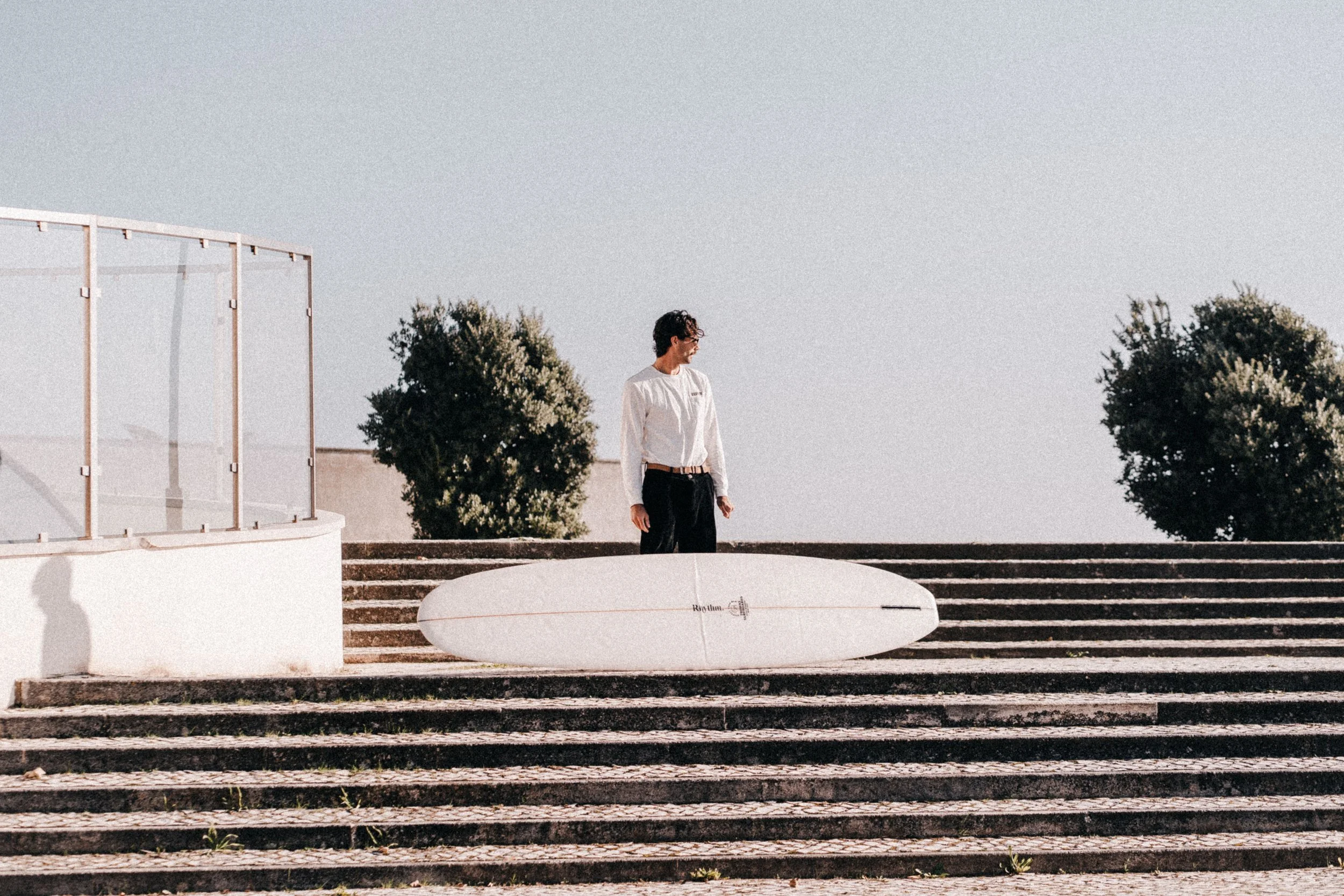
written by Simon Fitz - Rider: Eurico Romaguera
At the time, of me getting to know Figueira da Foz, I barely knew anyone in the Portuguese surf world. But i have heard of Gliding Barnacles but the moment never quite aligned. Through my friend Xue — whom I had met years before in Indonesia — I found my way into this beautiful mess of Surfing, Art and Music. I remember being genuinely nervous that first day on what to expect from it.. but here we are 7 Years later with countless stories, friends and memories in my pocket! One of those people is Eurico.
The first person I really met was Eurico Romaguera — Kiko. What stayed with me was how effortlessly welcoming he was. No distance, no performance. Just openness. They gave me space to shoot, to move, to find my rhythm. I worked quietly and with intent but hard.
I didn’t know then that this was the beginning of a friendship that would shape not only my work, but my understanding of surfing itself and a big part of my career.
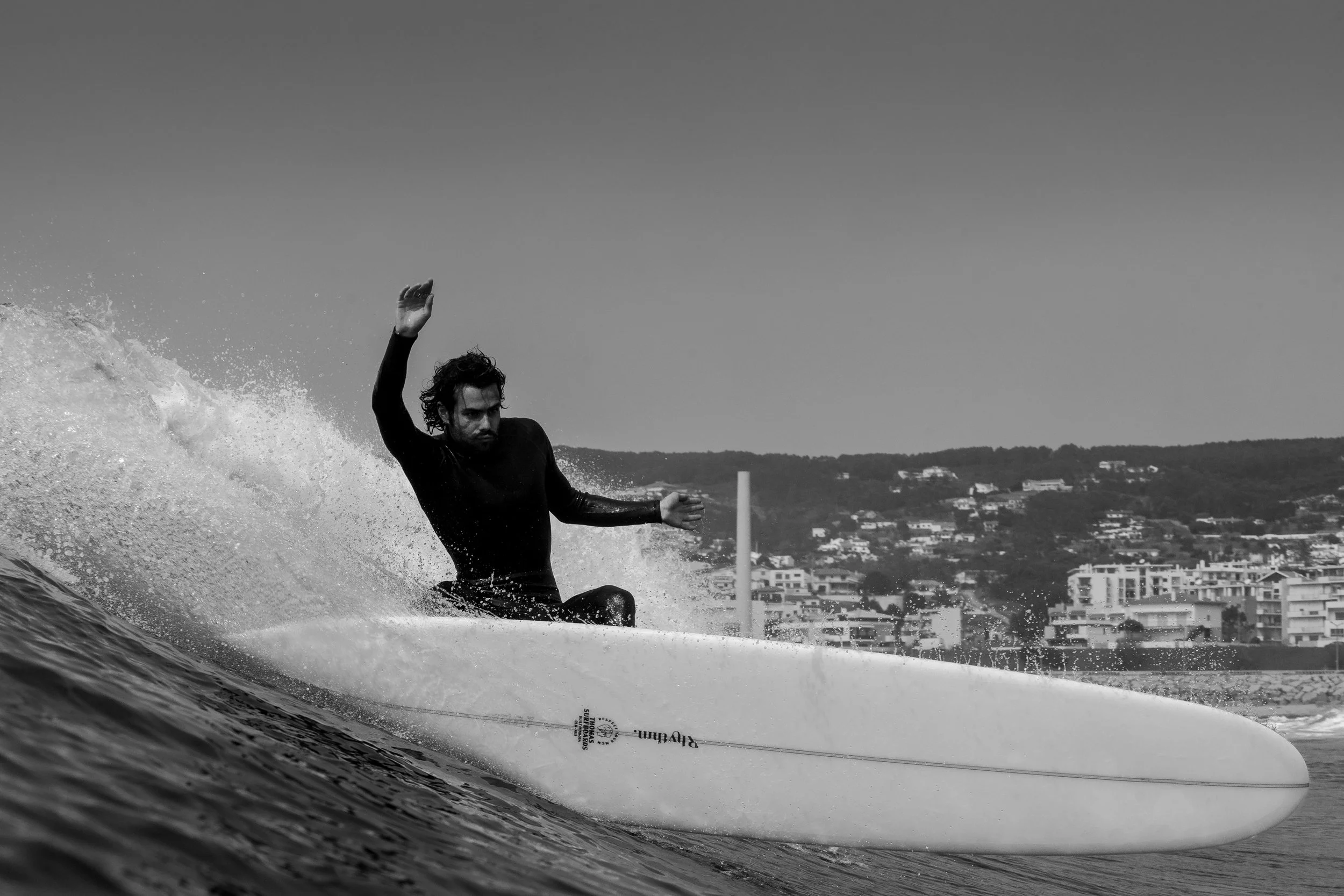
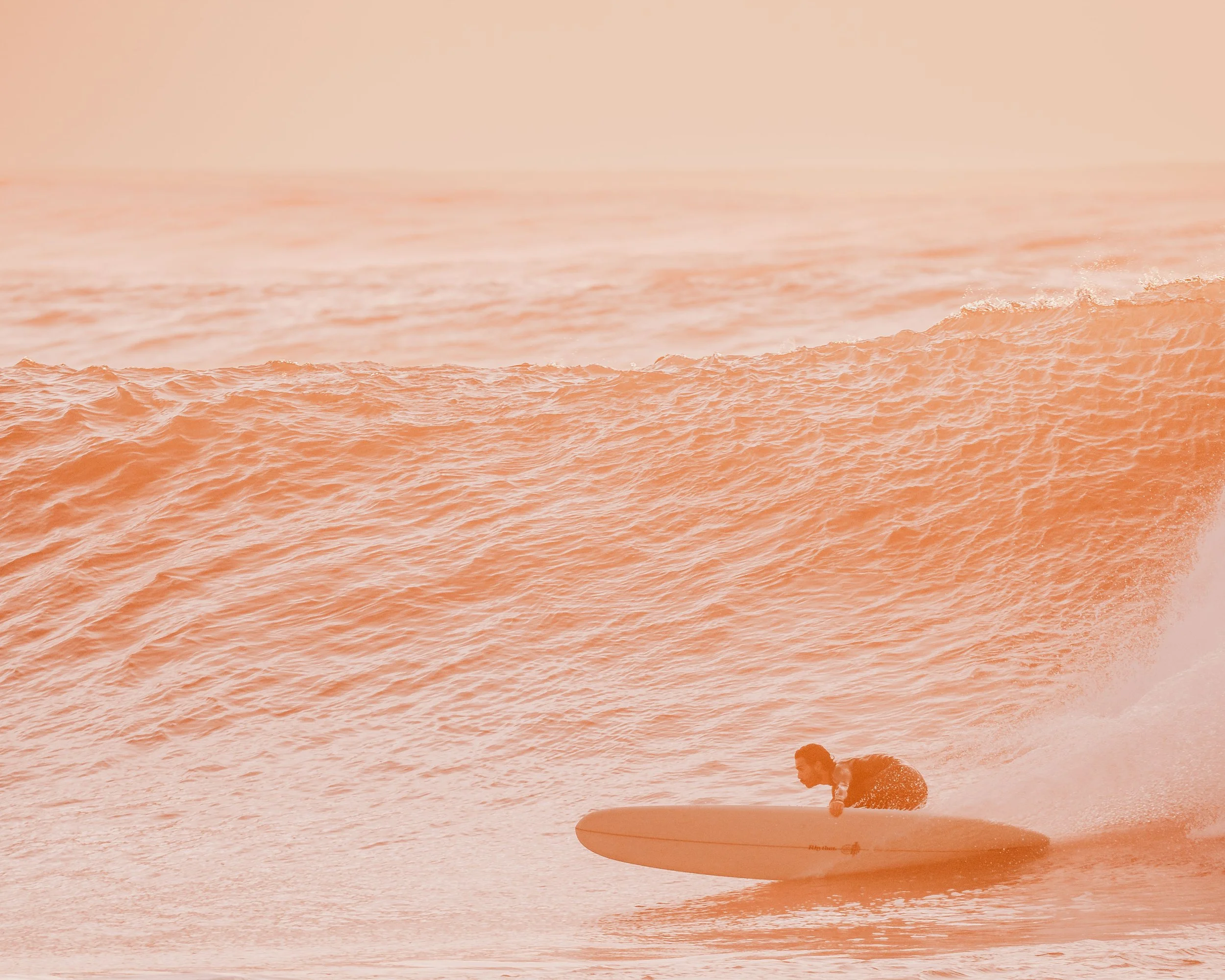
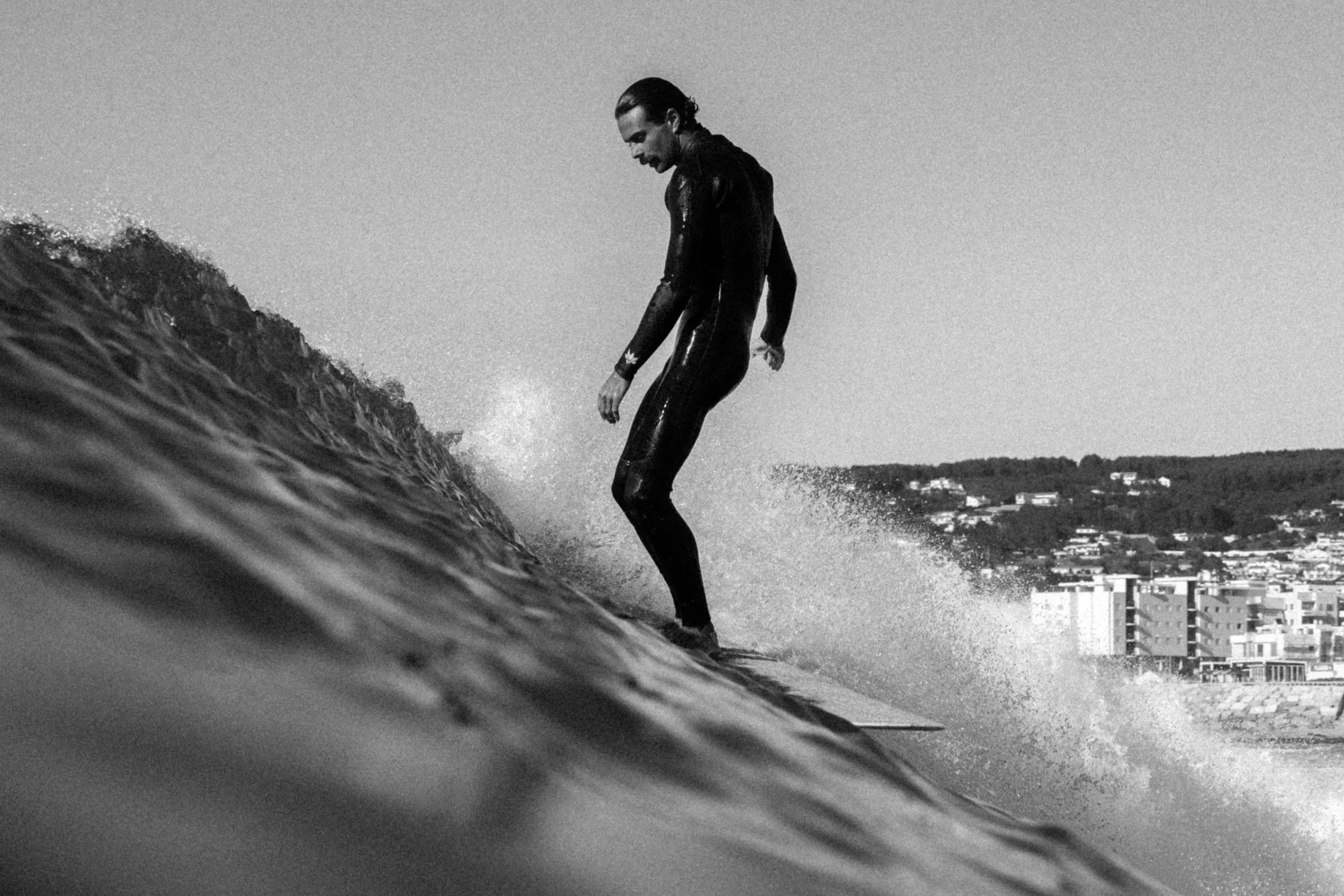
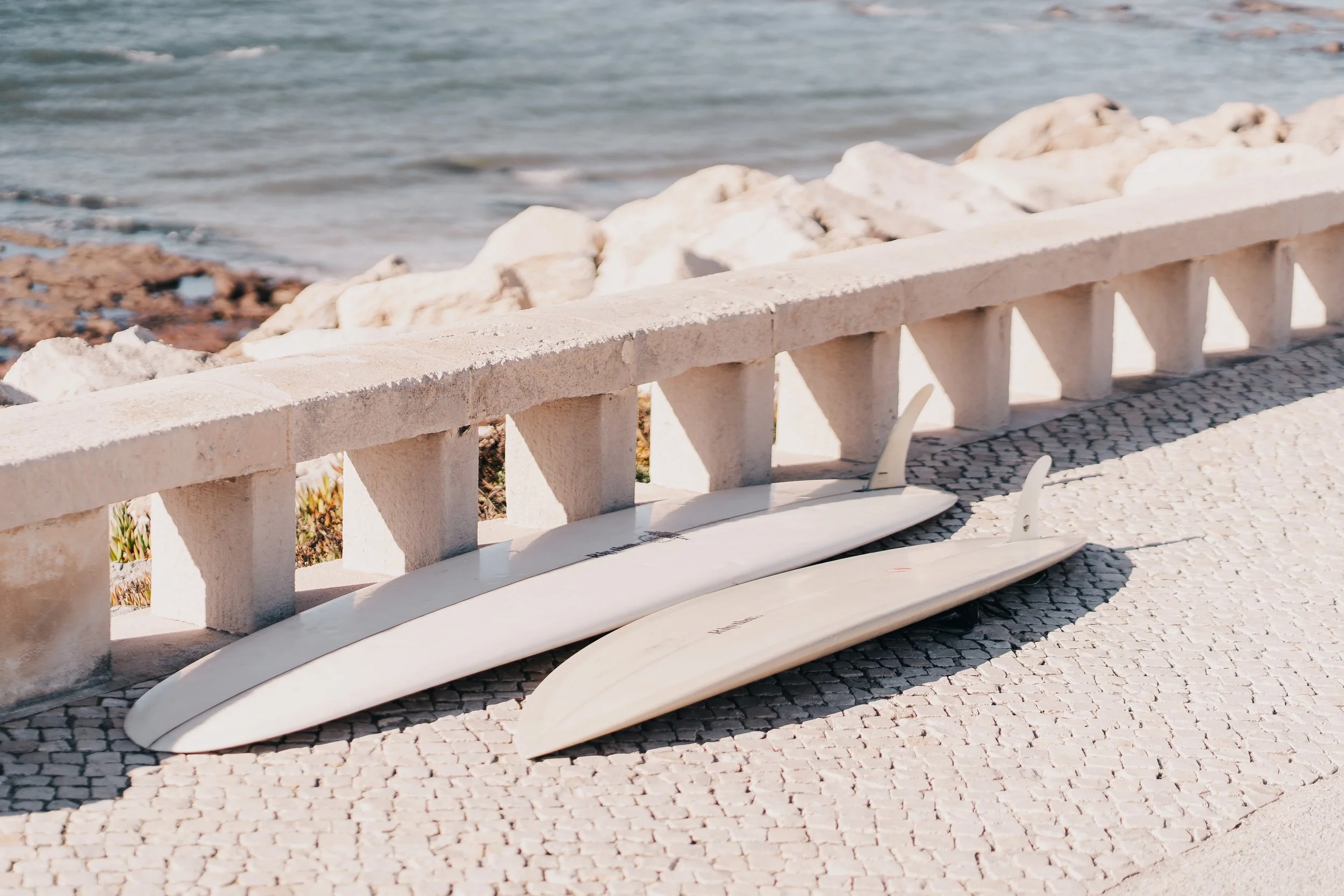
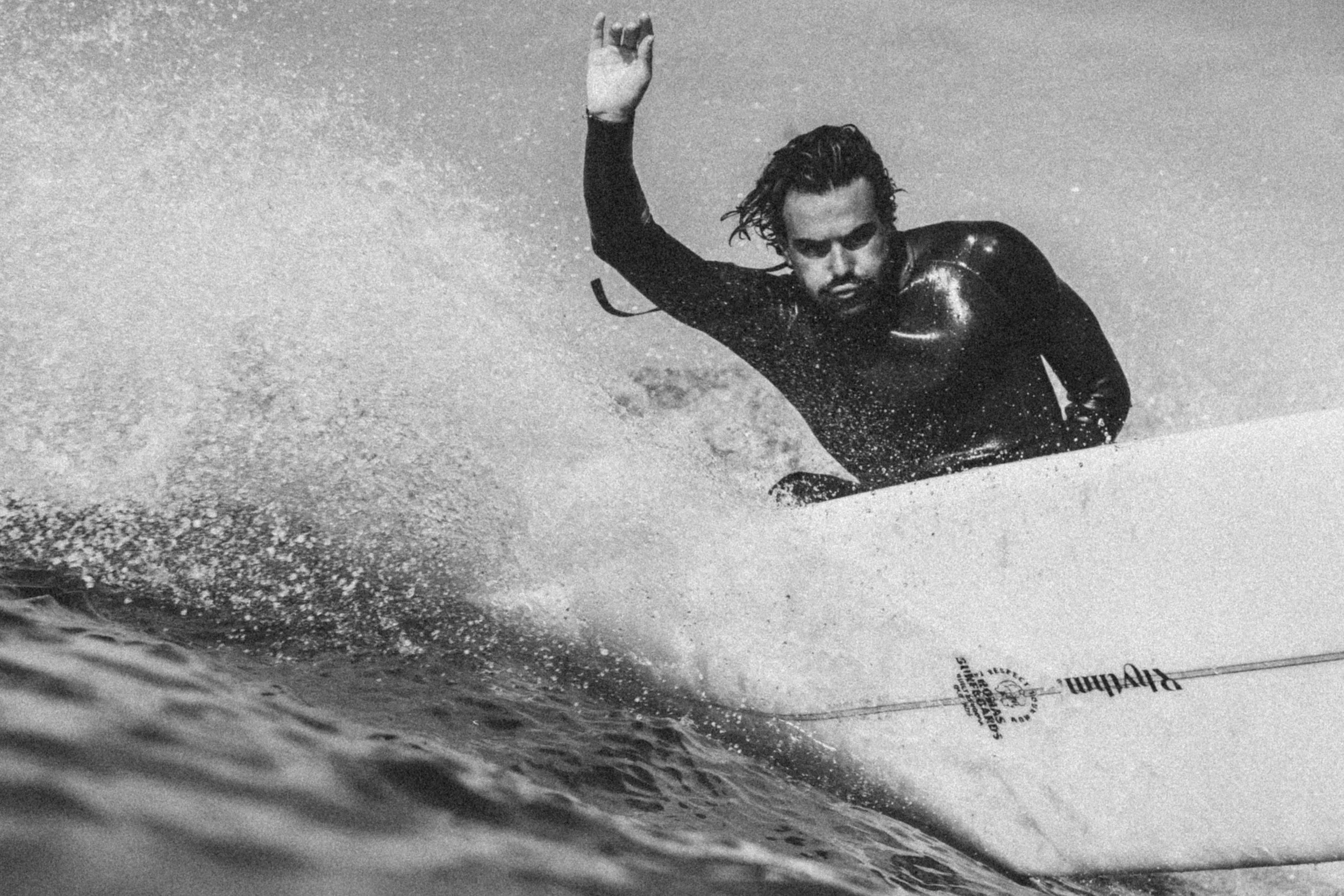
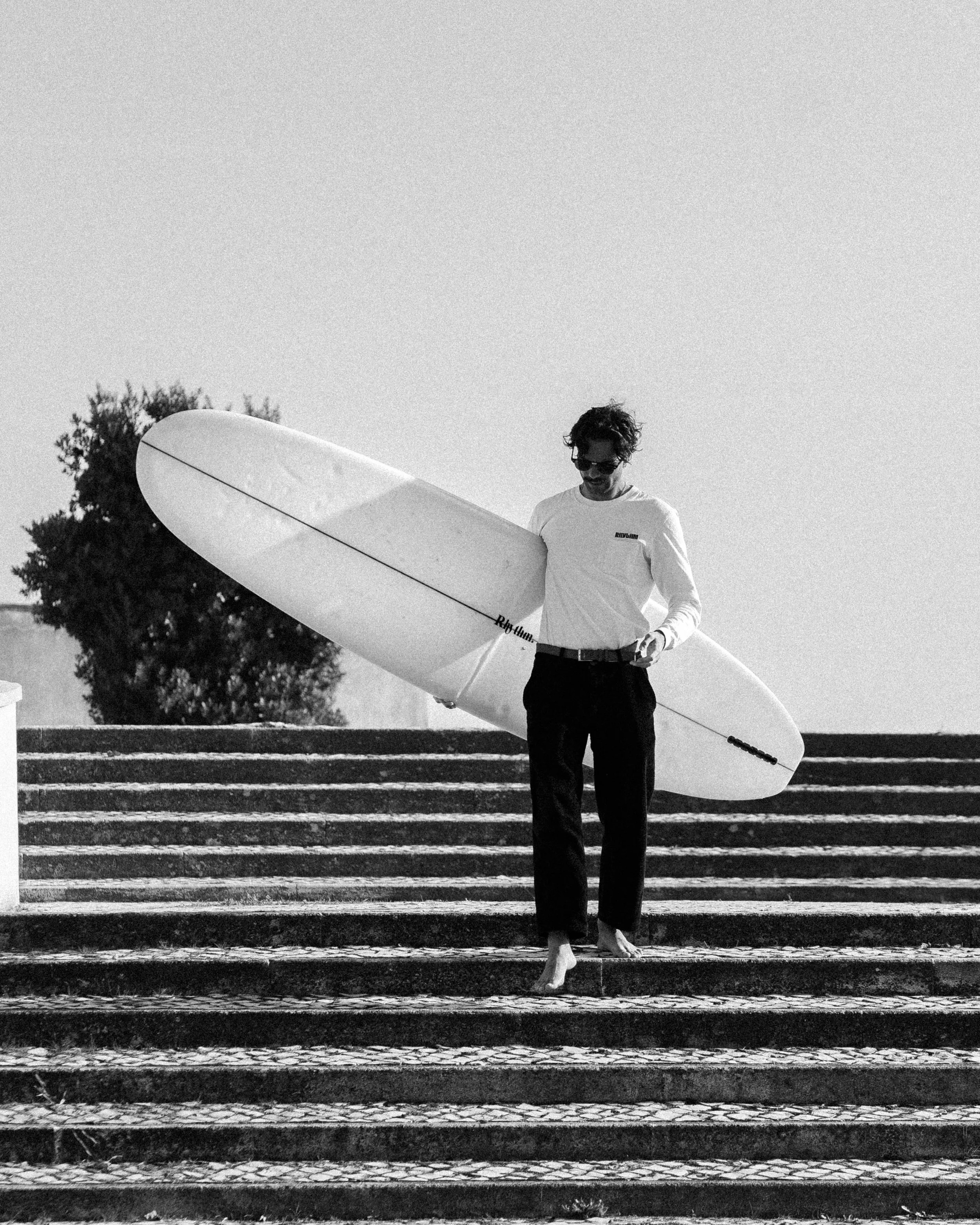
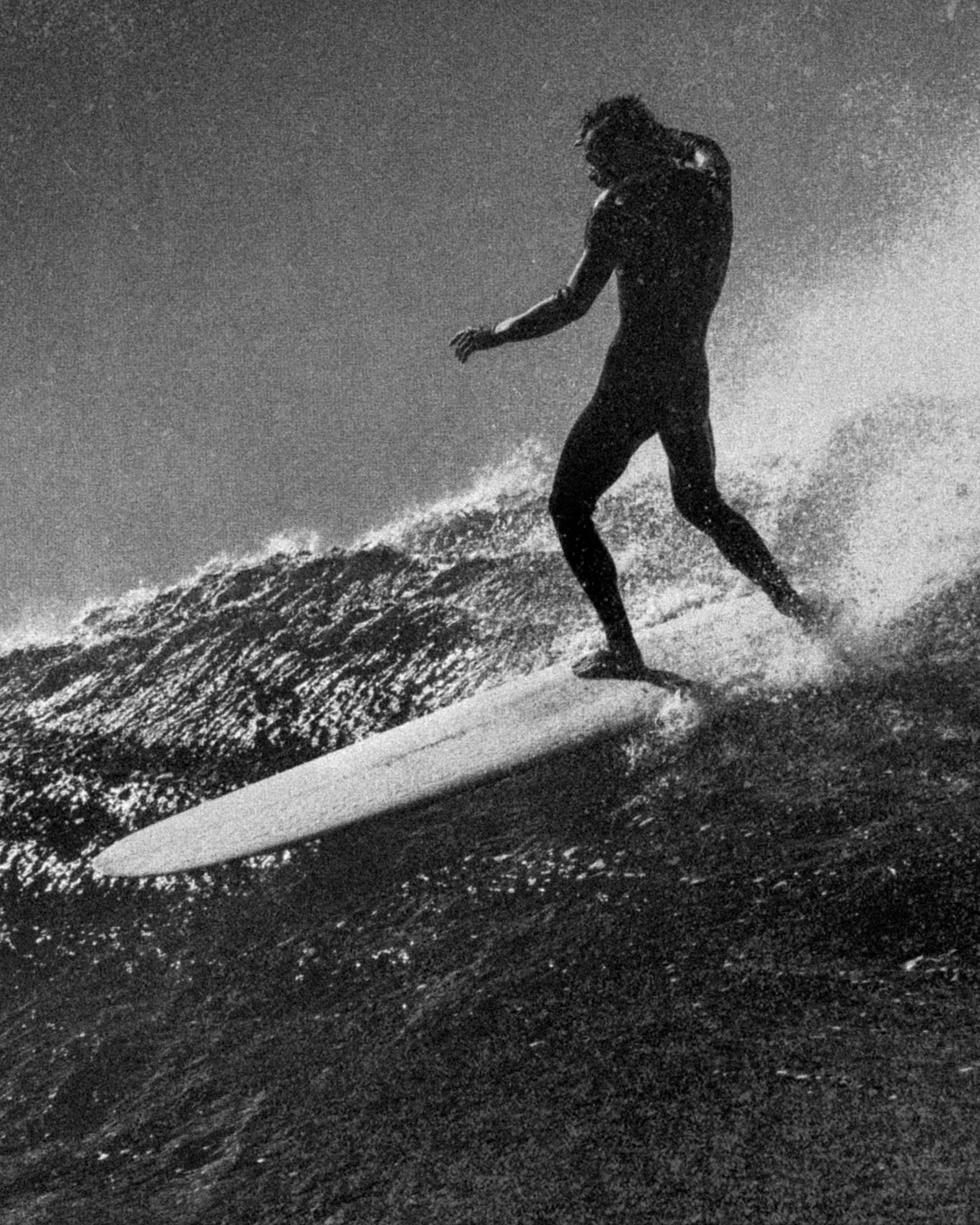
Over time, our paths crossed more often. Eurico invited me north, to Figueira da Foz, to his home, to his family, to his wave. Slowly, almost without noticing, a friendship formed — not forced, not rushed. Built instead on shared mornings, long drives, conversations about boards, about lines, about speed and restraint. Eurico educated me — not formally, but intuitively — in surfing as a language. Alternative shapes, speed shapes, the importance of flow. He spoke about boards the way jazz musicians talk about instruments: tone, response, timing. His approach to surfing was never about domination and tricks — between surfer, board, and wave. That resonated deeply with how I see photography.
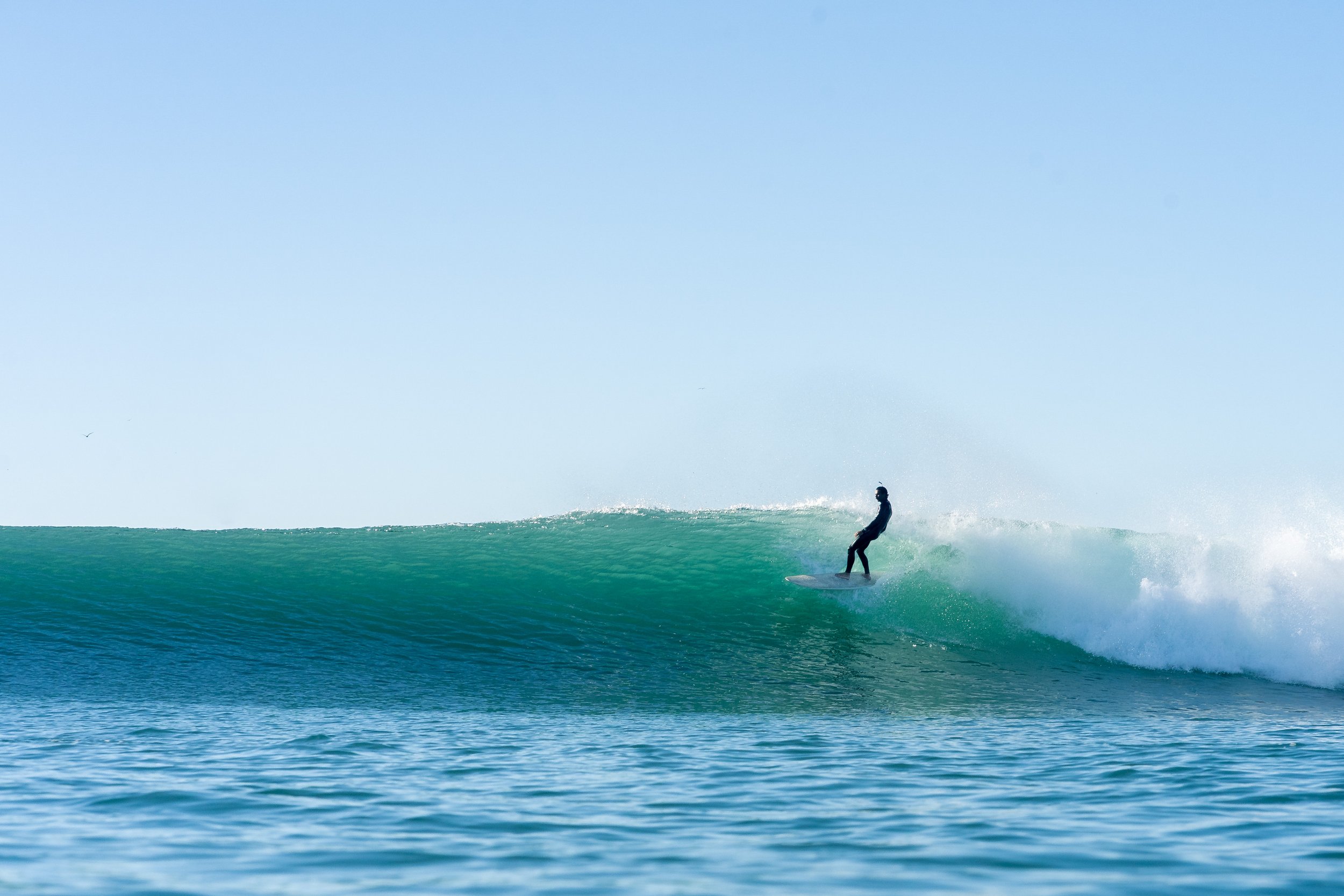
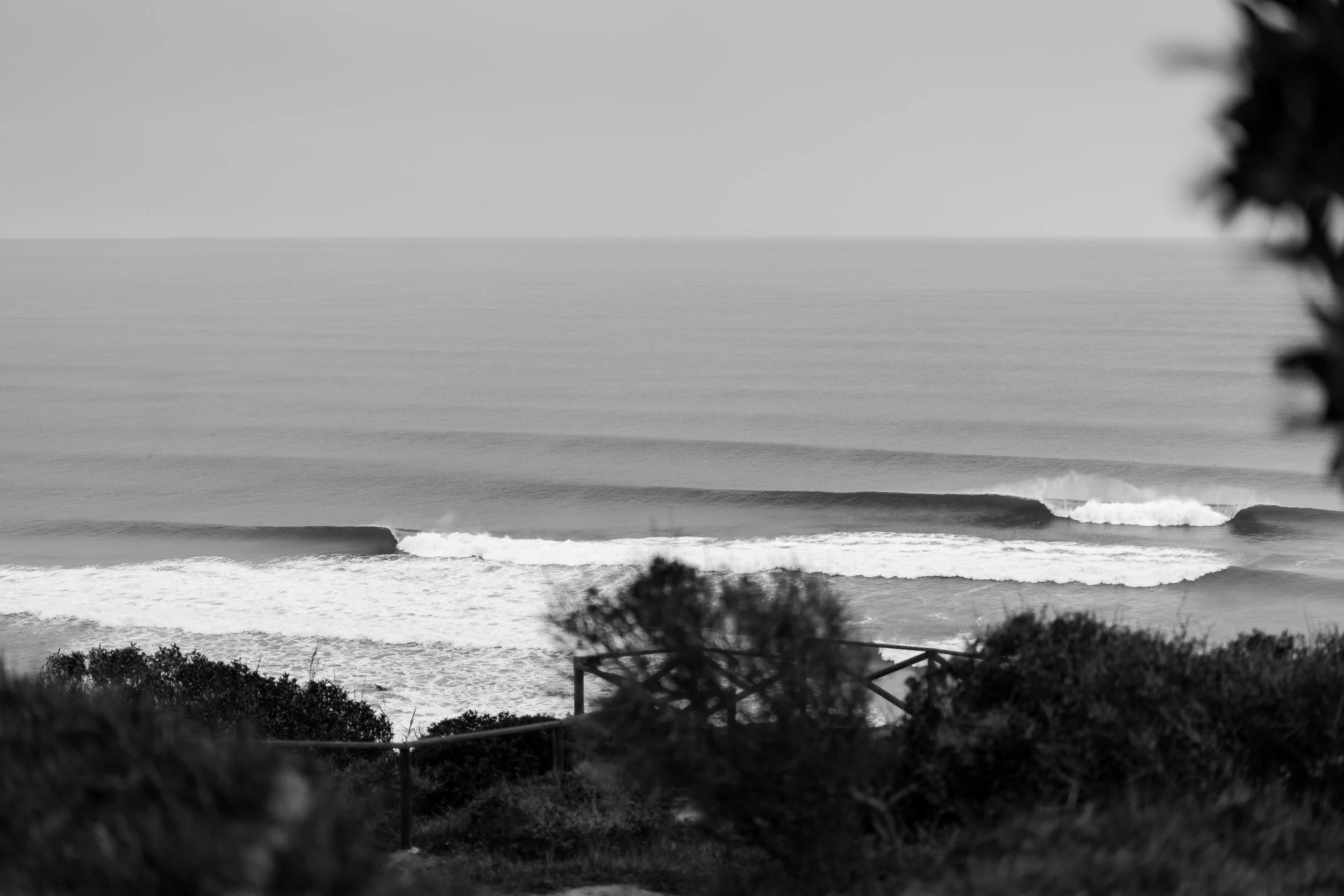
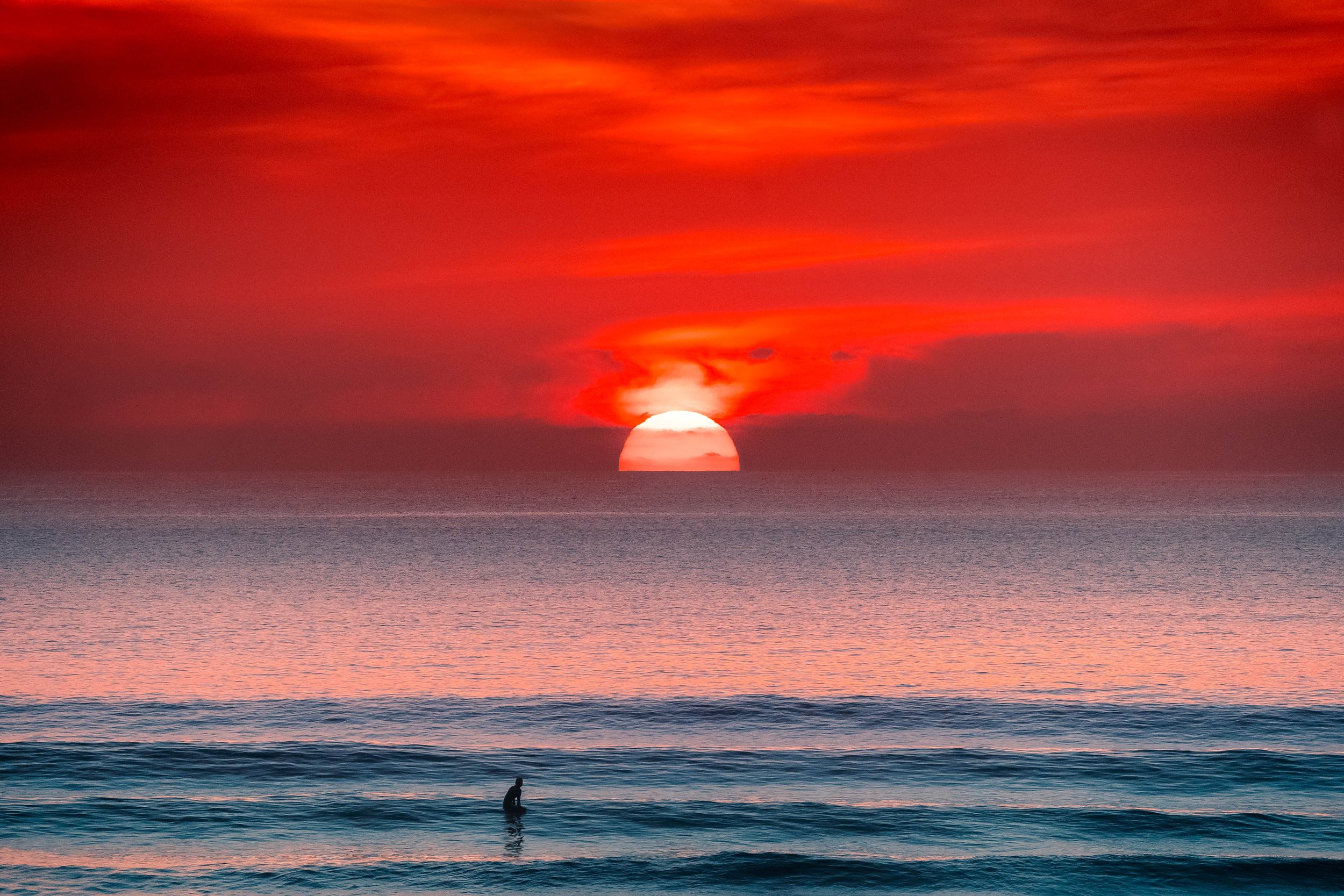
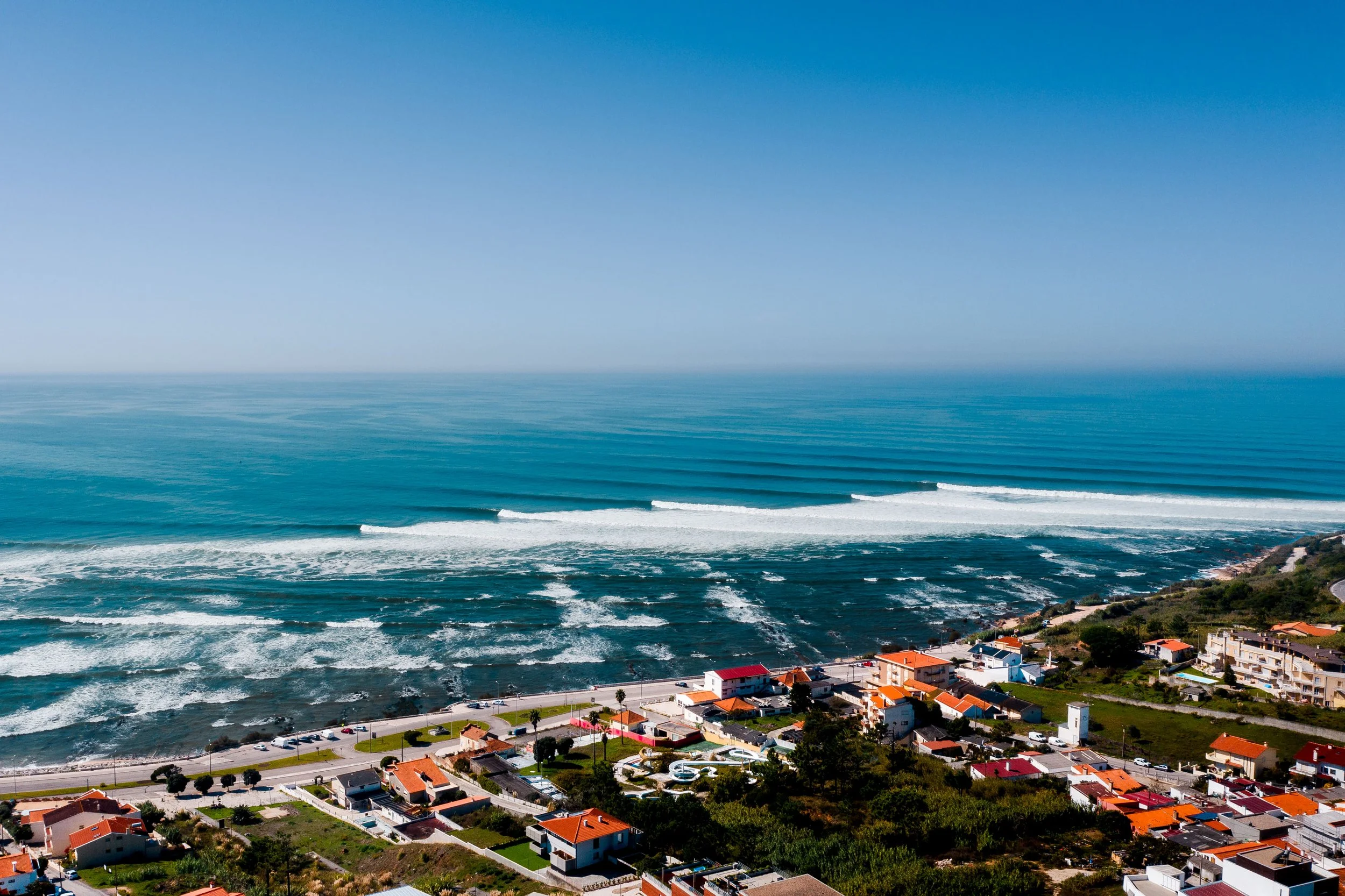
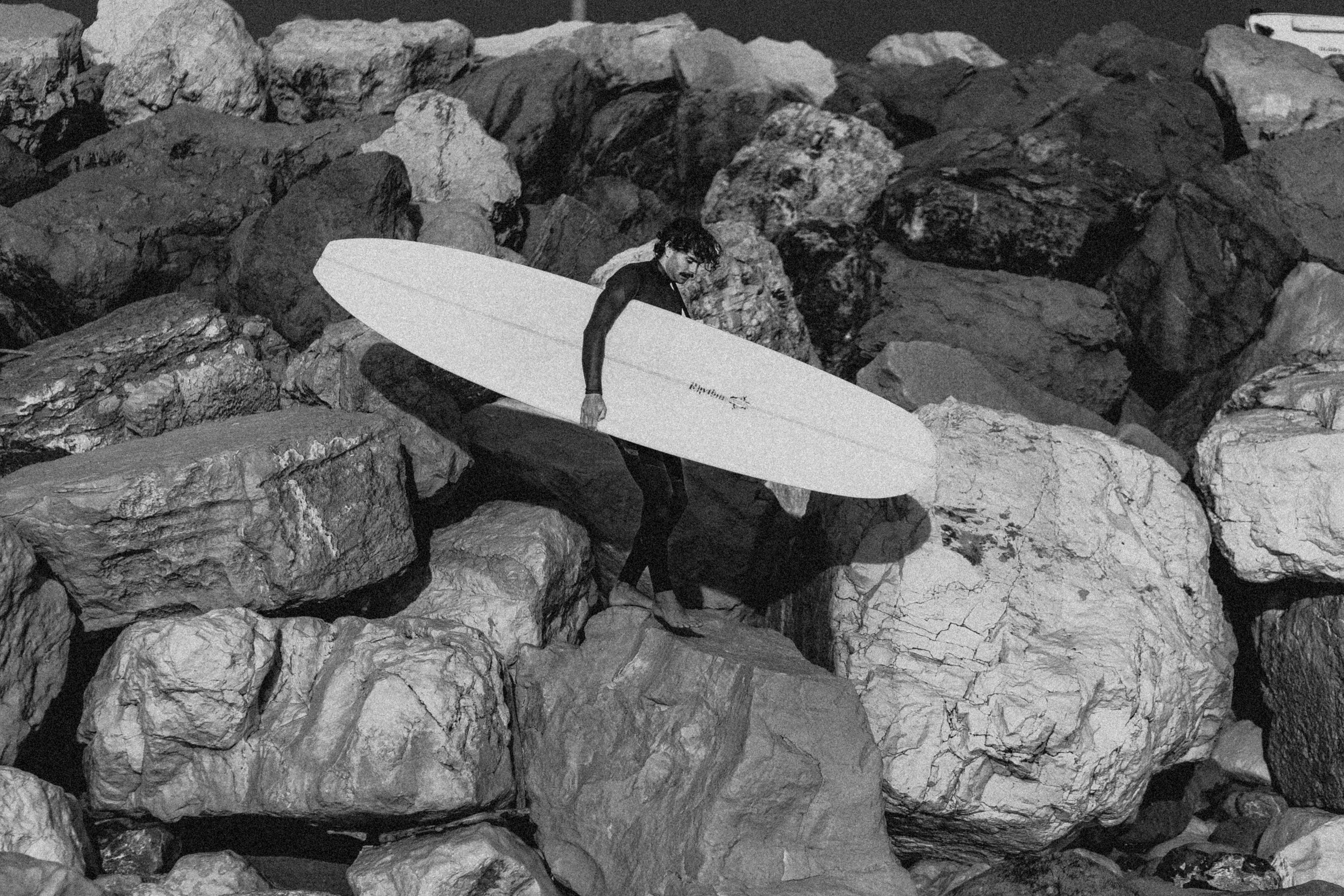
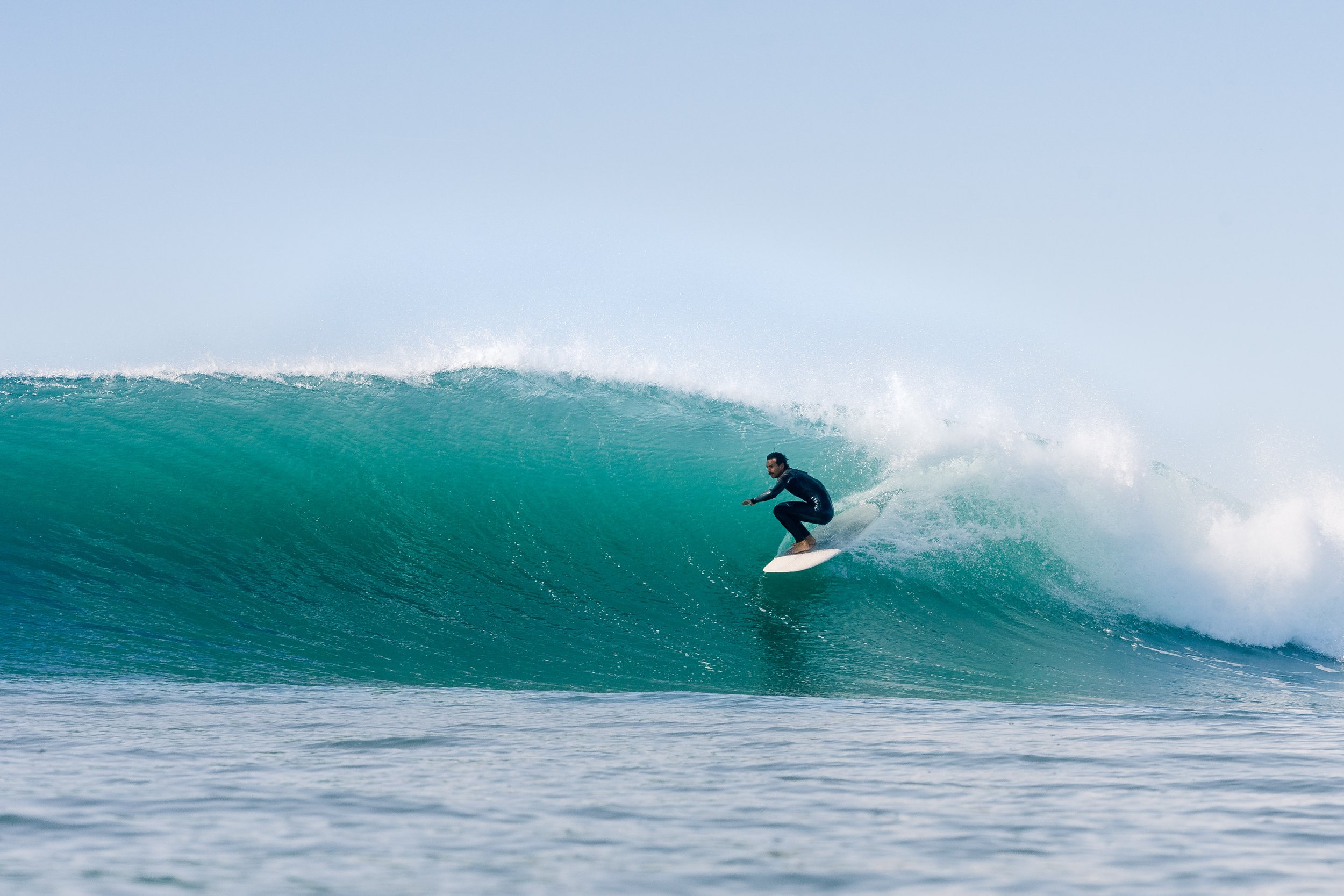
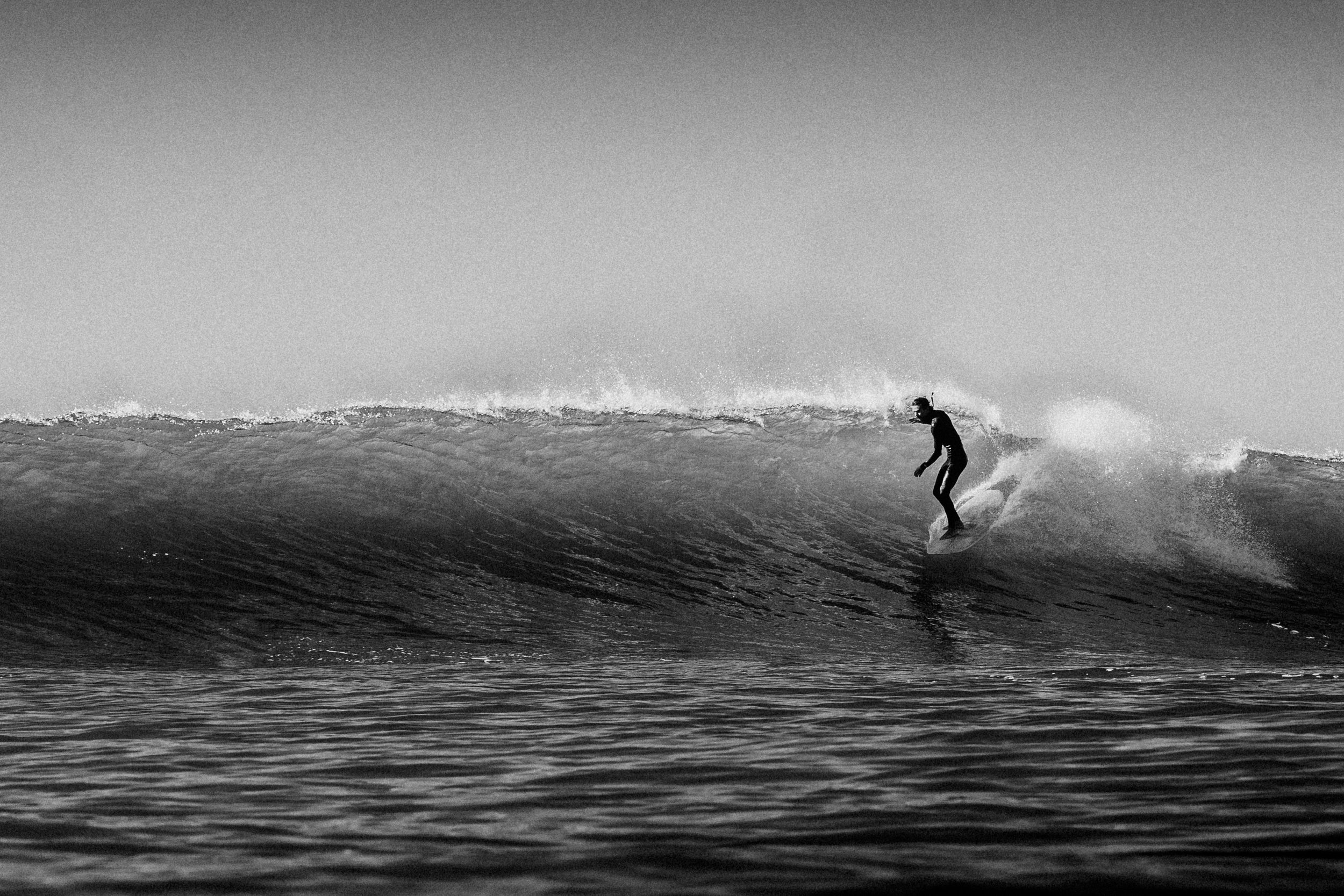
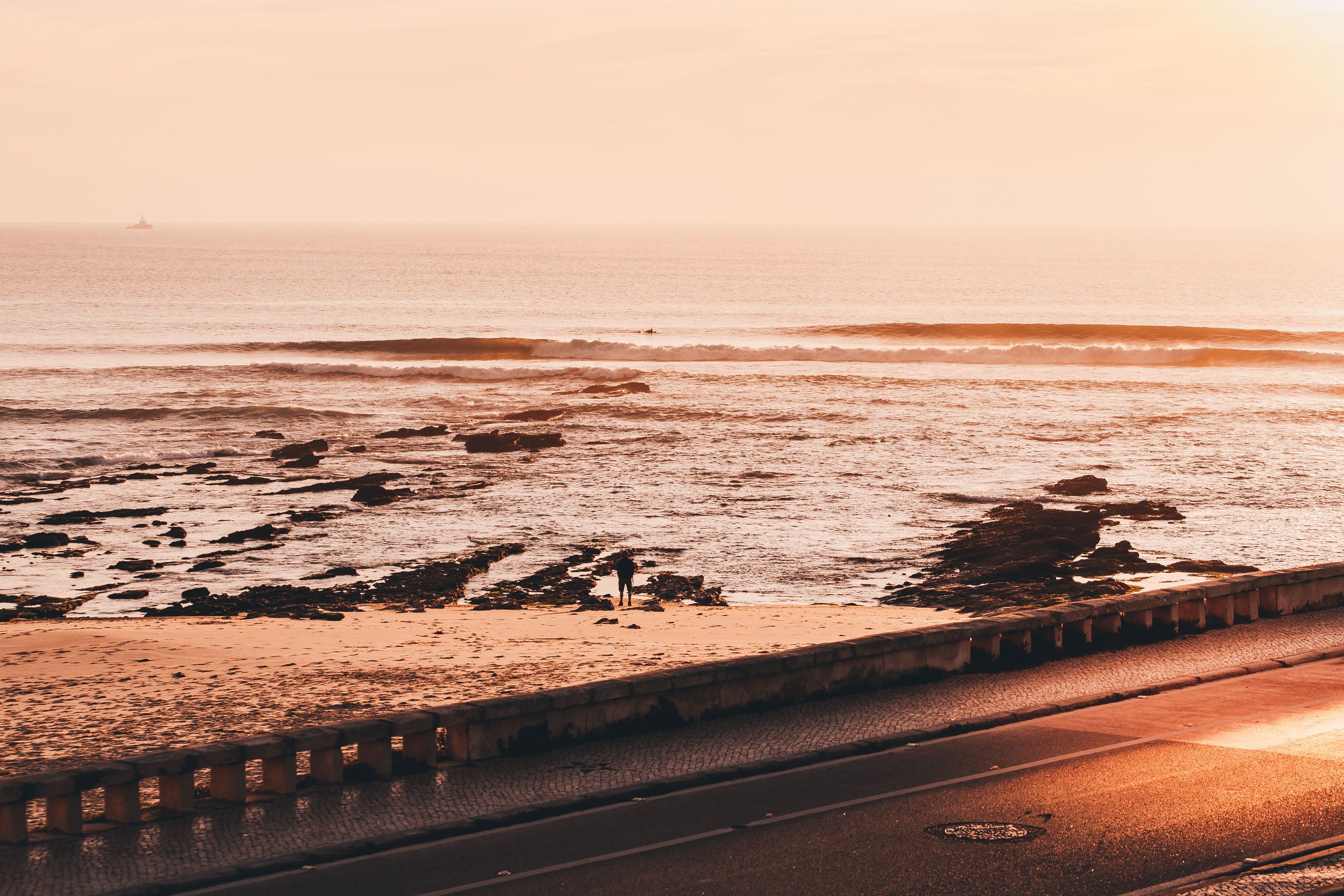
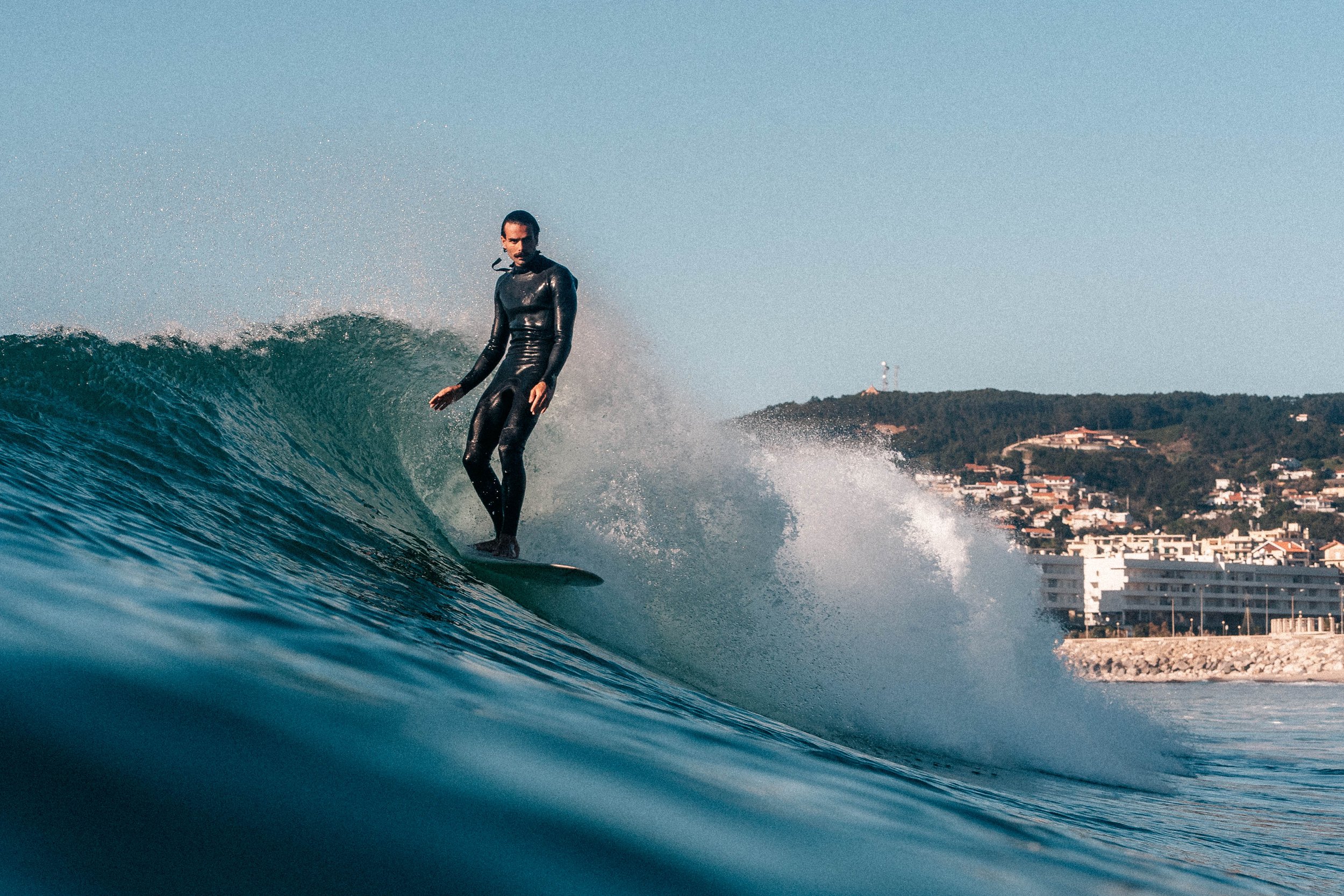
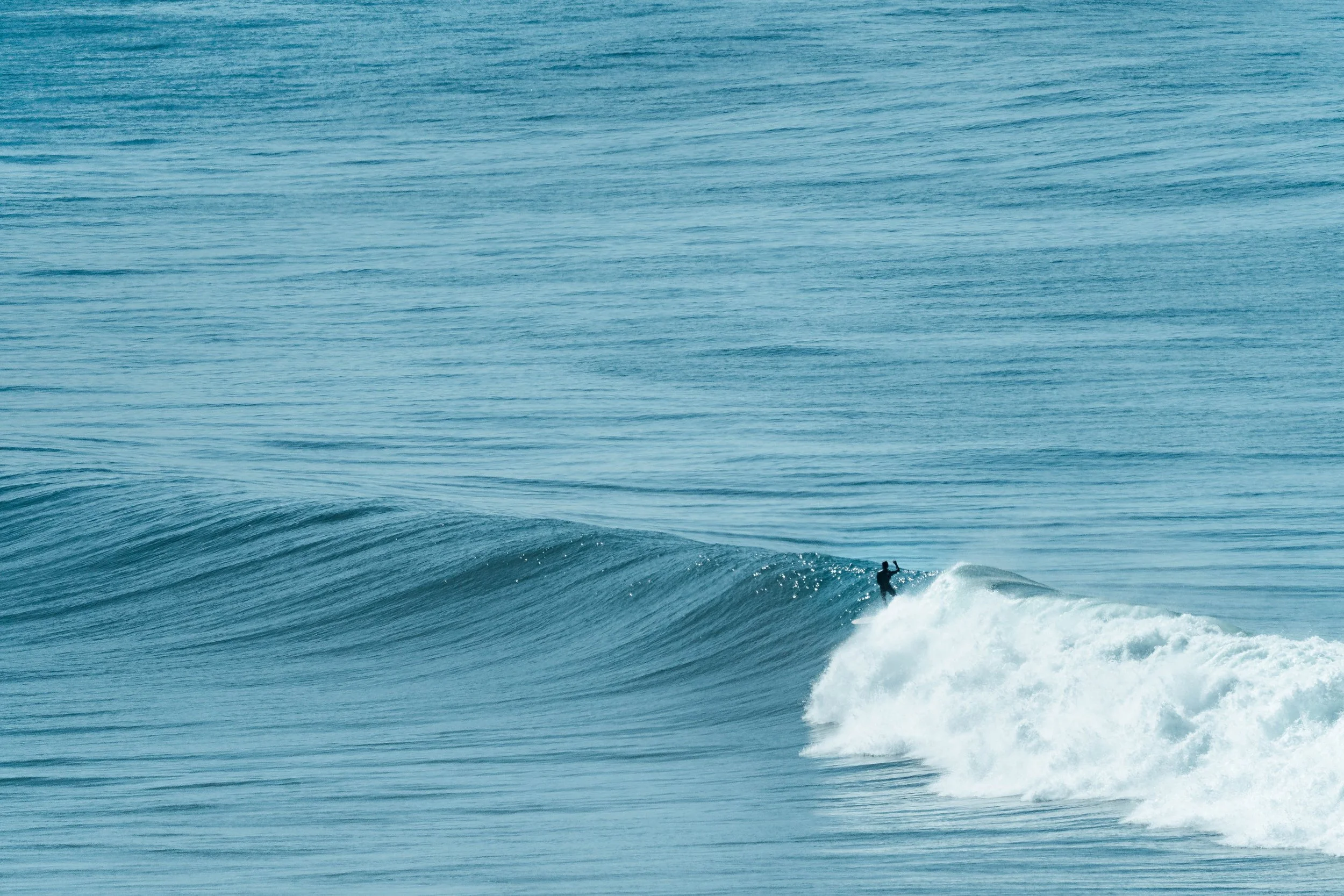
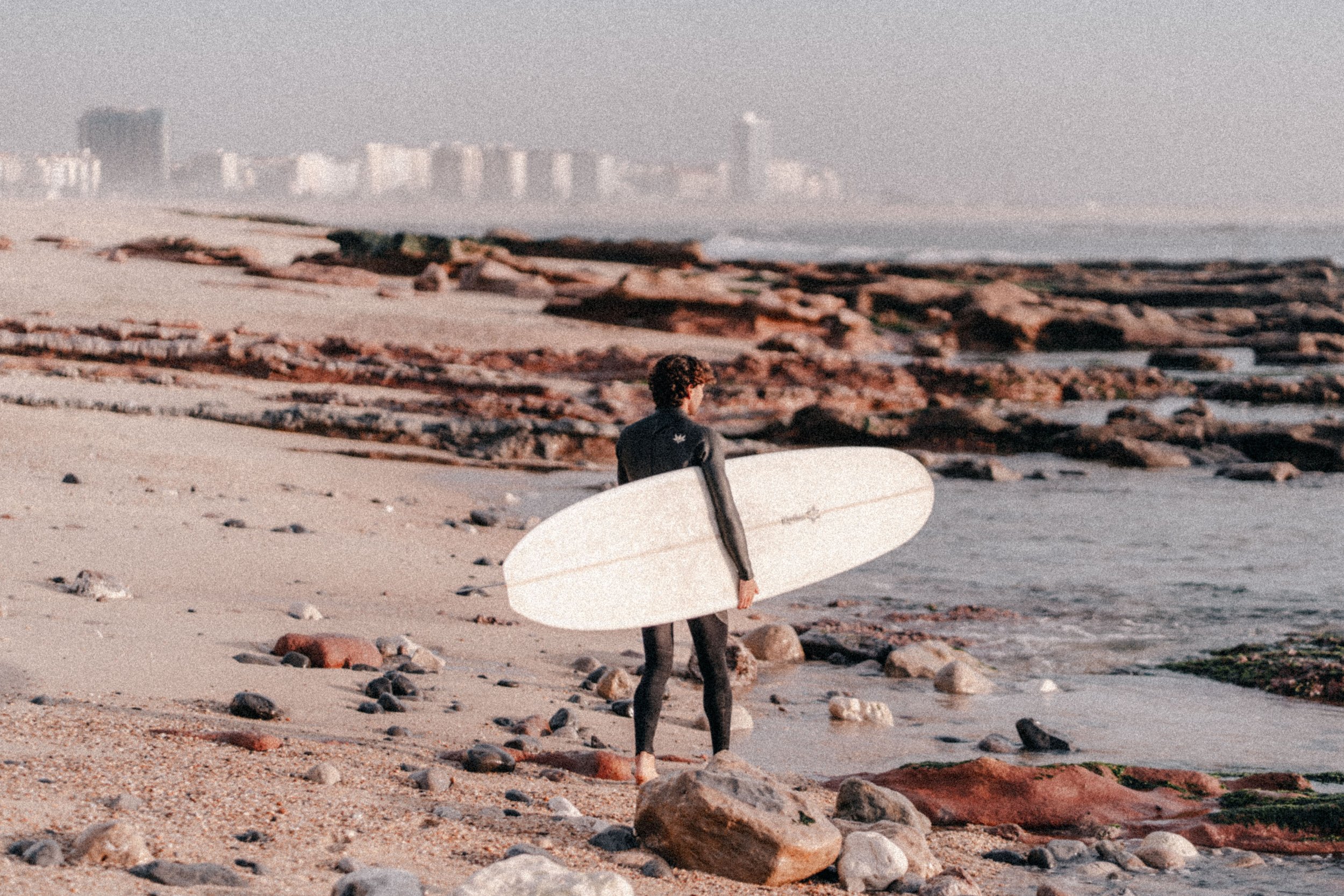
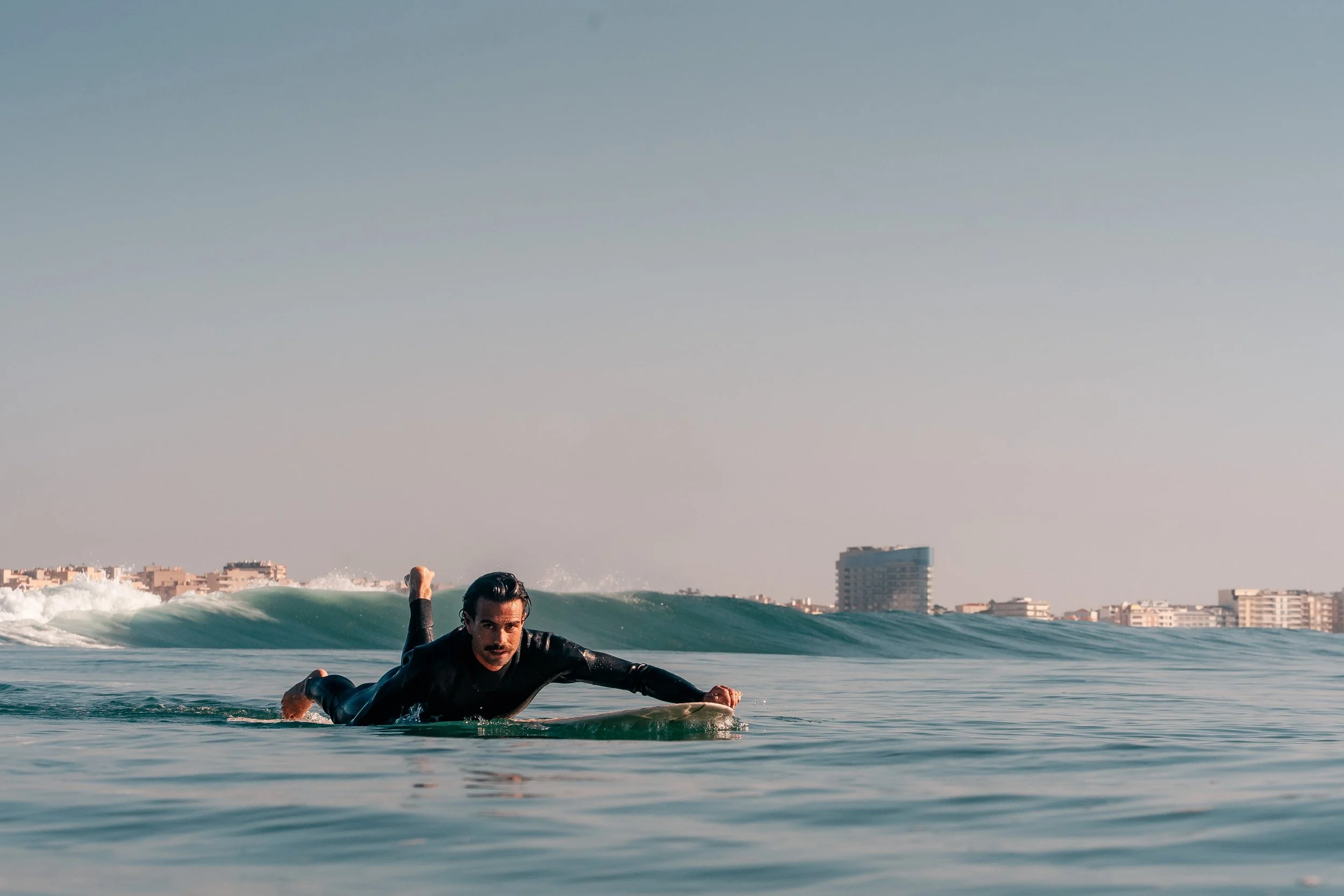
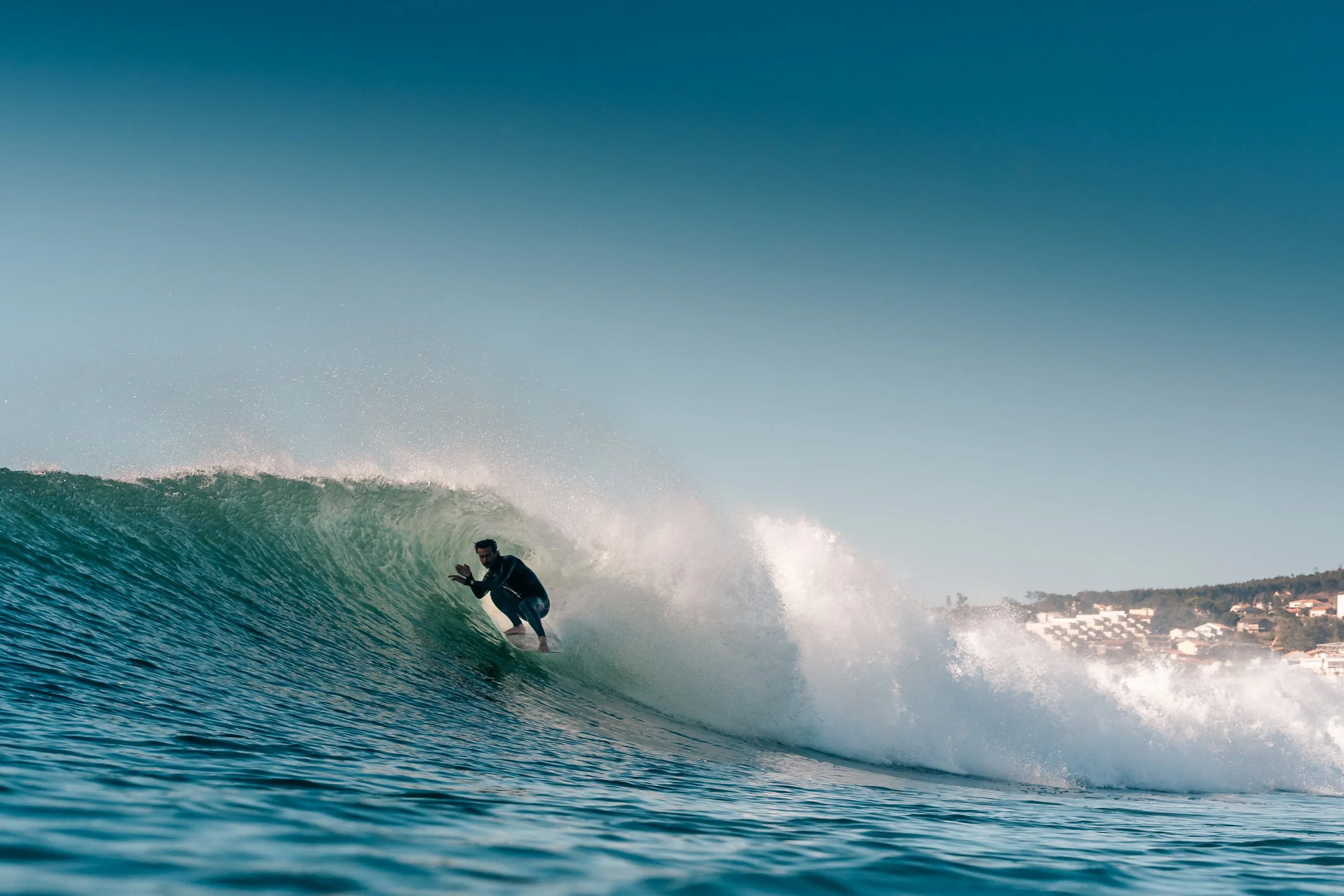
Buarcos itself feels like a mirage. I’ve driven there countless times from Lisbon, from Peniche before that — thirty, maybe forty journeys. Eurico would call when the forecast whispered possibility, never certainty. The wave demands alignment: swell direction, period, tide, wind. Miss one element and it dissolves. Get it right, and something rare unfolds. Much of this story took shape during the COVID years. Empty roads. Silent cities. I’d leave in the middle of the night, park discreetly — once behind a Lidl — changing wetsuits in the dark, hiding, laughing at the absurdity of it all. Winter water. Two wetsuits layered. Long swims. Fingers so numb I could barely press the shutter inside the housing. Yet those sessions carried a purity I’ve rarely experienced since.
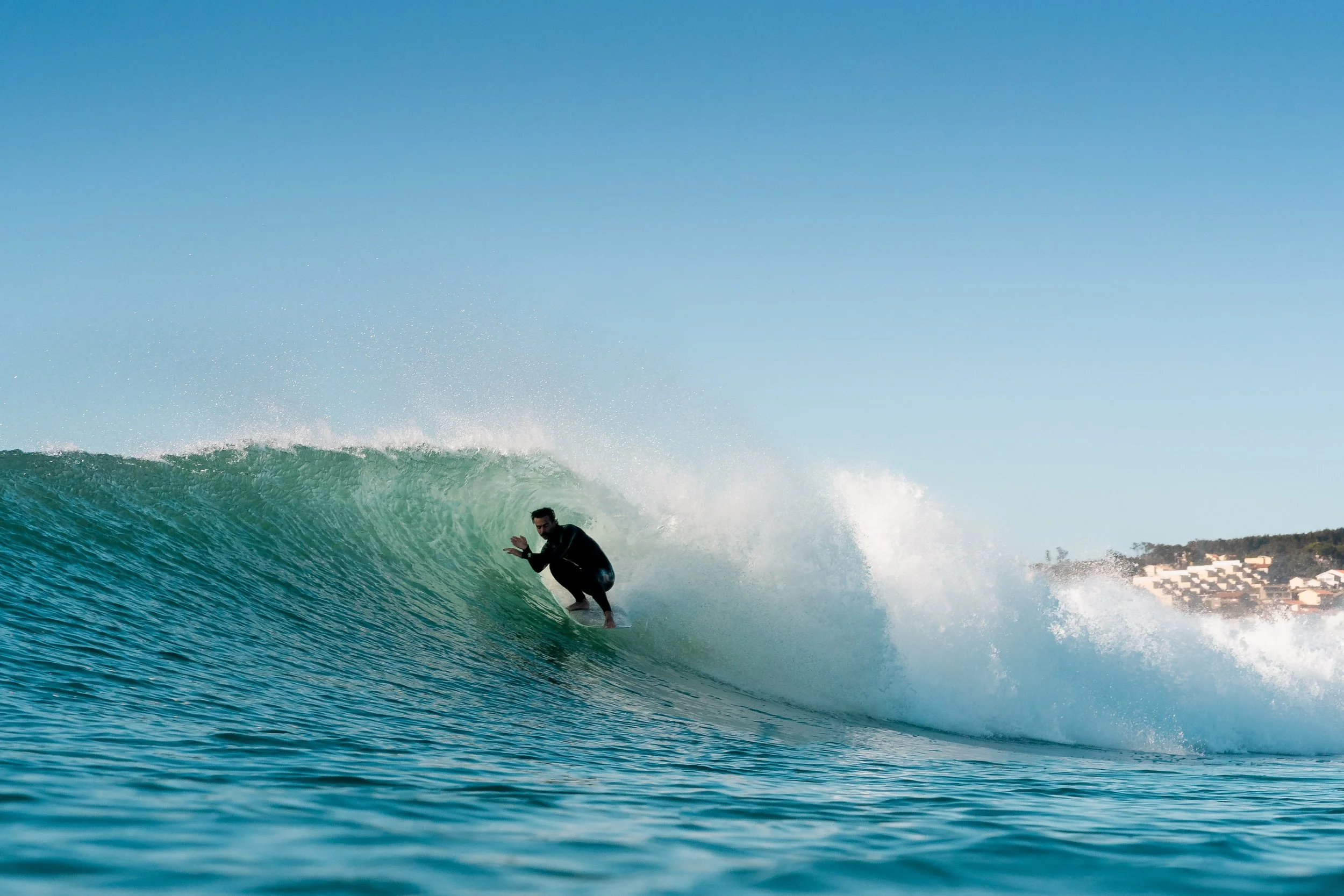
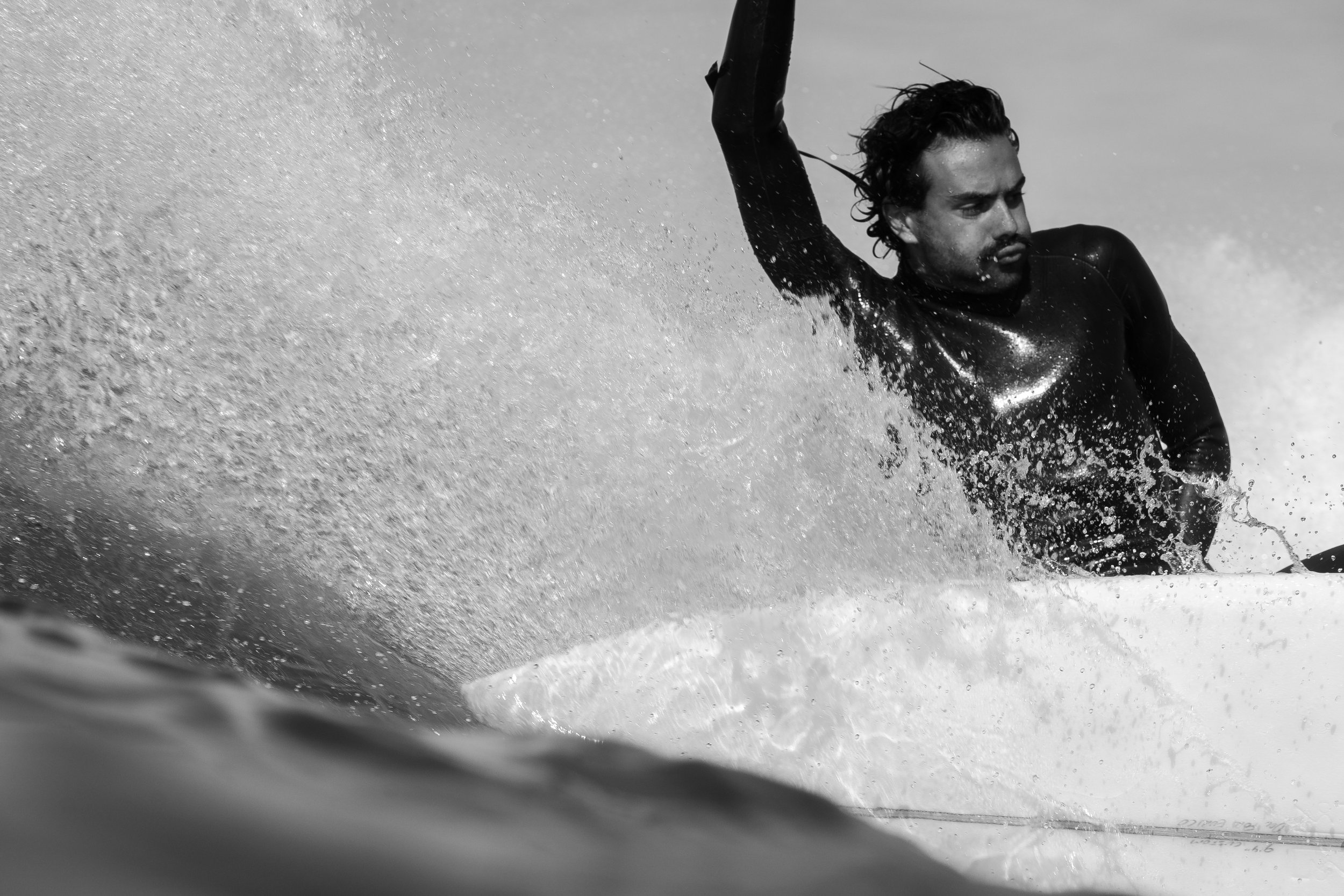
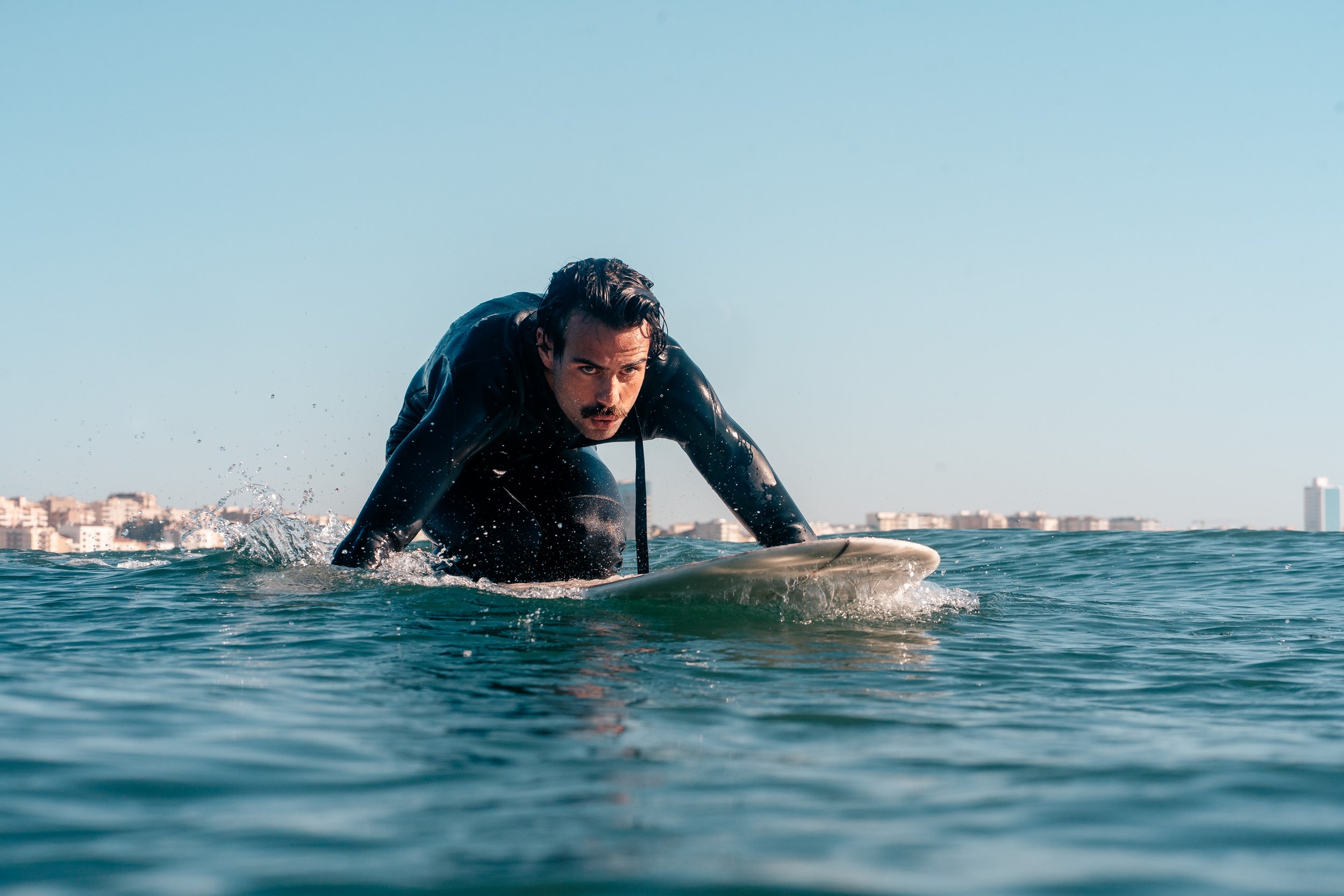
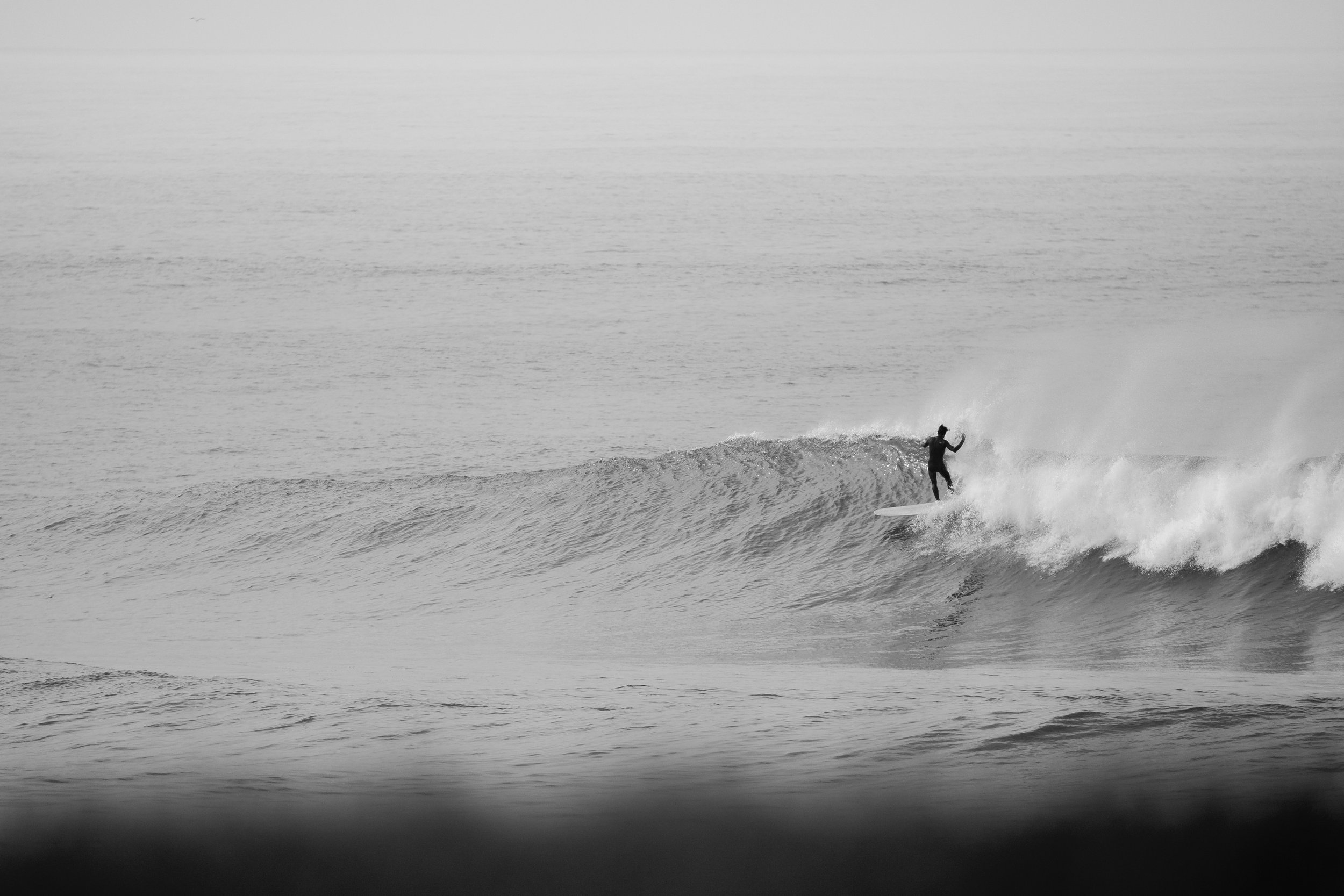
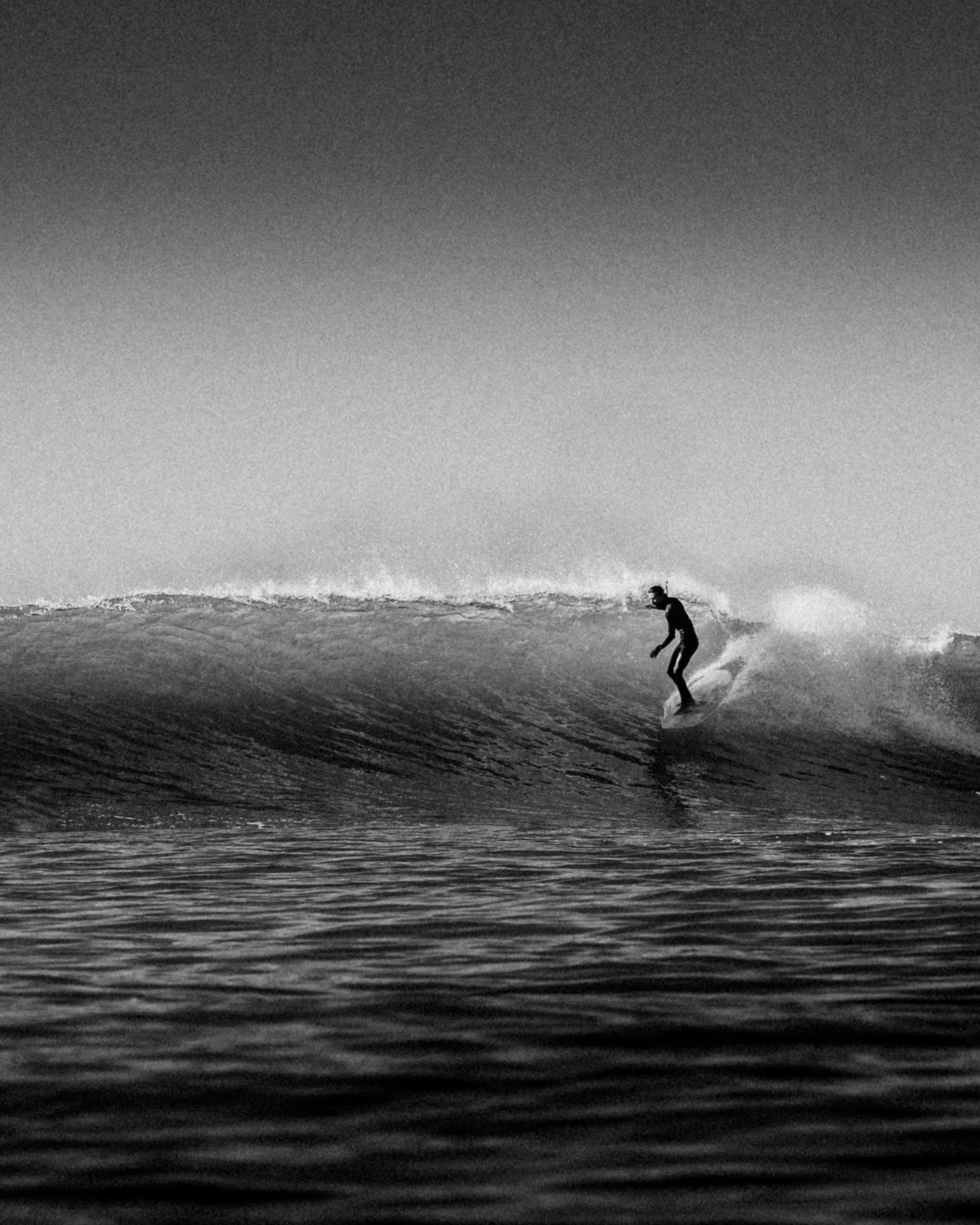
In the water, I began to truly understand Eurico. His selectiveness. His economy of movement. The way he waited — never rushed — and when he went, how everything aligned. There was nothing performative about it. Just presence. I stayed at his parents’ home, slept in a spare room, shared meals around a table that felt immediately familiar. Through them, I learned a different Portugal — warm, generous, unpretentious. Their kindness shaped the experience as much as the waves themselves. It wasn’t hospitality as gesture; it was hospitality as culture.
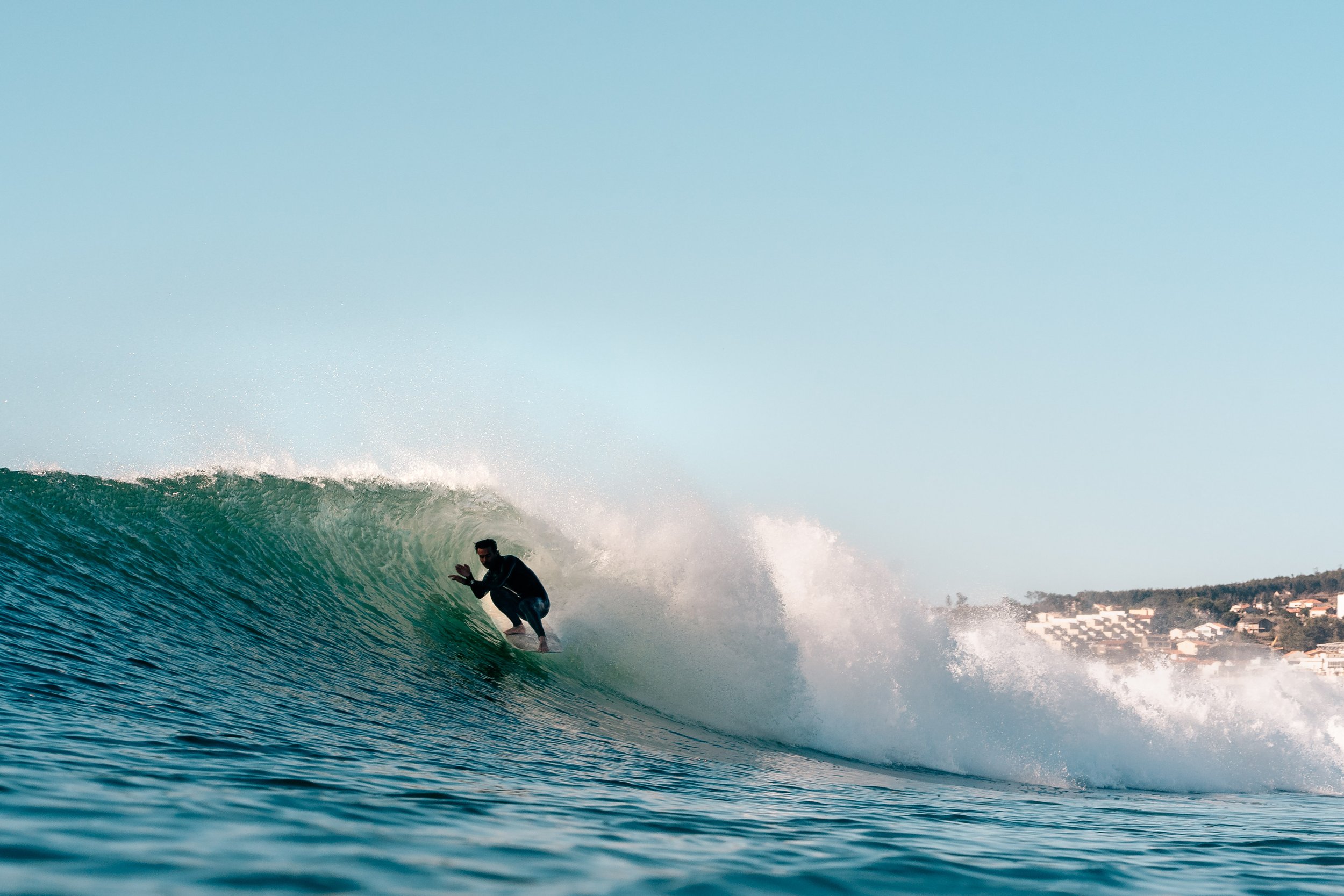
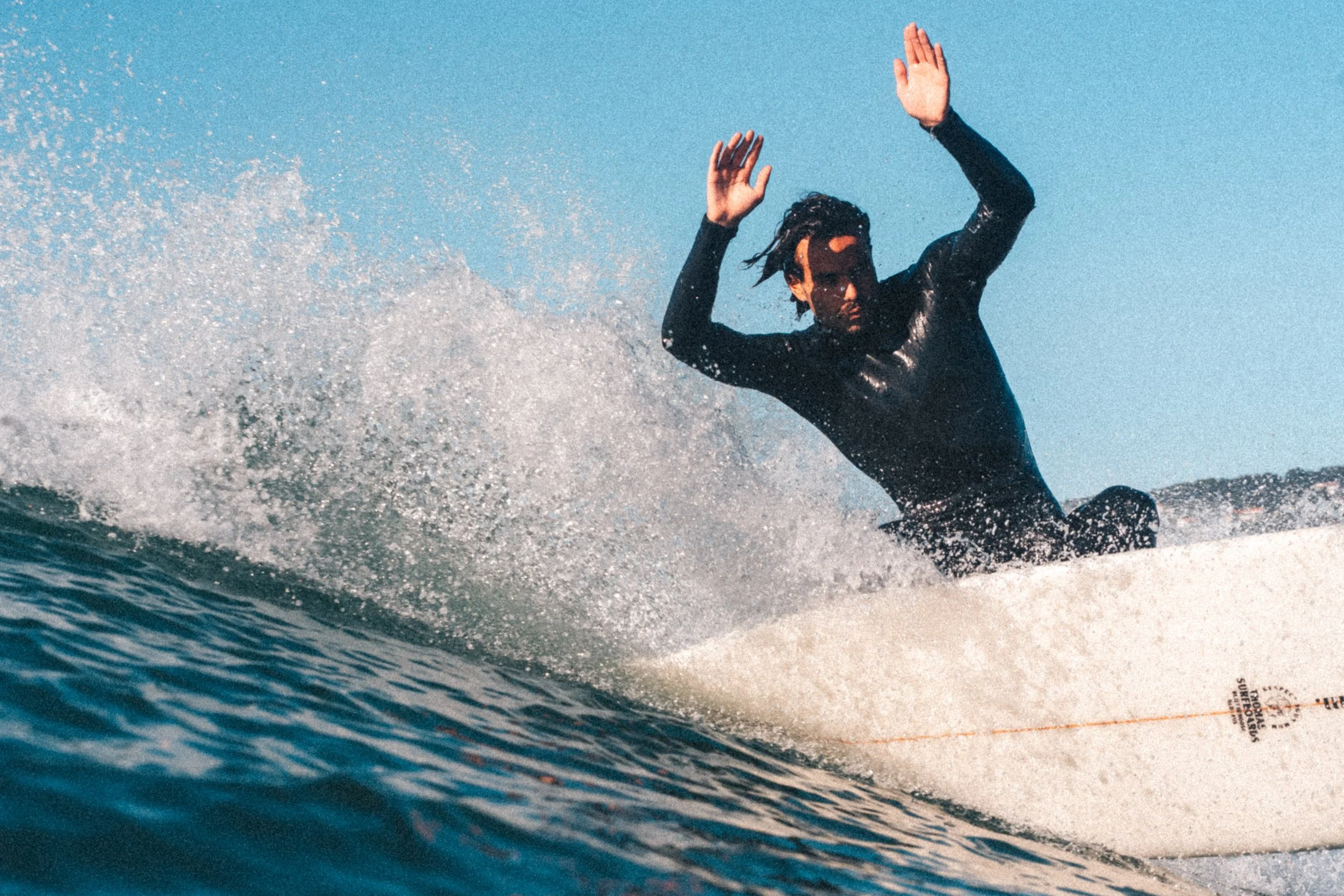
Some of the strongest images of my career were made there, though I didn’t realize it at the time. Only later, with distance, did I understand what we had captured. A moment. A relationship. A wave that doesn’t always exist. The photographs from Buarcos belong to a chapter now passed. Eurico was riding Thomas surfboards then — today his surfing has evolved toward heavier, faster shapes, boards that suit the wave’s power even more precisely. But that evolution is part of the same line, the same history. Surfing, like jazz, is about progression without forgetting where you came from.
We eventually curated the images together, sending them into the world — magazines, features, fragments scattered across time. This story, preserved here now, is an attempt to bring it back into one place. Not to romanticize it, but to honor it. Six or seven years later, Eurico is one of my closest friends. Much of my career was shaped alongside him, through the privilege of photographing his surfing, his environment, his rhythm. I hope, in some quiet way, the exchange went both directions.
This is a story about surfing, yes — but also about trust, family, history, and the beauty that appears when people move at the same tempo.
Like a good jazz record, it doesn’t shout.
Simon